Unleashing employee potential

Healthcare costs rise, office romance rules tighten, AI exposes consultants. -

Inside this issue

  • Workplace trends
  • The AI corner
  • Unleashing employee potential
  • Water cooler chatter
  • Question of the week
  • Just for laughs
  • Follow the monday​.com weekly on LinkedIn

Benefits

US healthcare costs surge for employers

Companies planning their 2026 budgets are facing a significant challenge, with healthcare expenses jumping 8.4% next year. The increase adds roughly $1,300 per employee to already strained benefit costs, according to HUB International. The surge stems from costly new prescription drugs, rising mental health claims, and healthcare worker shortages driving up provider costs, their report found. For a company with 200 employees, that translates to over $260,000 in additional expenses, forcing tough decisions between cutting benefits or passing costs to workers. Finance and HR teams are scrambling to find creative solutions, from switching to self-funded plans to partnering with organizations that pool smaller companies together for better pricing power.


Romance

Office romance rules go global

European companies are ditching their relaxed attitudes toward office relationships in favor of stricter, American-style policies. The shift became clear this week when Nestlé fired CEO Laurent Freixe for hiding a relationship with a subordinate, joining executives at BP, ITV, and Portuguese oil giant Galp Energia who've recently lost their jobs over workplace romances. Companies are now implementing policies requiring managers to disclose relationships that could create conflicts of interest, a departure from Europe's traditionally hands-off approach to employees' private lives. Despite the recent wave of high-profile firings, workplace relationship scandals remain relatively rare, with nearly 90% of CEO departures still happening as planned transitions. As global business practices standardize around stricter governance rules, this trend is expected to only accelerate.

Monitoring

AI learns to read workplace stress

Companies are deploying AI systems that detect employee emotions, according to researchers at Purdue University. These systems monitor meeting participants for signs such as slumped posture or drifting eye contact, then alert facilitators when teams are disengaging. The technology is especially valuable in remote work environments, with some tools now integrated into Slack conversations to surface neglected viewpoints and bridge communication breakdowns. However, experts warn of significant risks, including potential cultural misinterpretation of emotional signals and privacy concerns around intimate emotional data collection. As younger employees navigate anxiety-driven digital environments, workplace emotional intelligence is shifting from soft skill to technical requirement, making responsible development of these monitoring systems critical for future team dynamics.


Consulting

AI exposes consultants as expensive middlemen

Corporate America is discovering that their high-priced consultants know as little about AI as they do. Companies are abandoning million-dollar consulting contracts after realizing that Big Four partners have no more hands-on AI experience than college interns tinkering with ChatGPT. Bristol-Myers Squibb ditched a yearlong AI project with consultants to build it themselves, while other executives complain about paying $20 million for lengthy reports with zero practical application. While AI consulting revenue jumped to $3.75 billion in 2024, companies have started cutting out the middleman and building AI capabilities in-house. Industry experts believe that consulting firms may eventually find their role when AI becomes more predictable, but for now, the feeling is growing that these consultants are learning on their clients' dime while delivering promises they can't keep.

Unleashing employee potential

By monday​.com

When generative AI first hit the scene, the promise was that new technologies would automate repetitive tasks so employees could spend more time being creative, strategic, and collaborative. A few years in, that vision is starting to take shape and it’s opening new doors for employees, teams, and entire businesses.


Companies like Yahoo Japan report that AI tools have freed up 30% of employees’ time, allowing them to focus on higher-level thinking and cross-team collaboration, according to TechRadar. GitHub has automated routine coding tasks so developers can stay engaged in design, problem solving, and innovation, per a story by Business Insider. These stories and others like them signal a shift that isn’t just about productivity, it’s about personal potential.


With more space in their workday, employees are uniquely positioned to tap into underused skills, explore new talents, and stretch into areas that make their jobs more fulfilling, all while helping your team evolve and innovate faster. As a leader, you can guide your employees as they discover or rediscover their gifts.


So, how do you help your employees find new or hidden talents?


Look past the job description

Your employees were hired for a specific role, but their skills often go far beyond their job descriptions. In other words, you could be sitting on a goldmine of untapped skills that could benefit your team. With this in mind, make a point to explore your employees’ hidden talents by looking for clues. For example, if you work in ops and one of your team members built a beautiful presentation that clearly tells a story, it signals a knack for communication and design. Patterns like these are telltale signs of strengths you can start to build on. You can take it a step further by asking your employees directly about their unused talents in your next one-on-one. Try asking questions like, “What’s something you love doing that you don’t get to do enough here?” Their answers might inspire new strategies for personal growth and team impact.


Key question: “What hidden strengths might your employees be using in the background?”


Create intentional discovery moments

When teams are busy, skill development can feel like a luxury. But having consistent moments for reflection can help employees reflect on what they’re good at and what they want to grow, even if those moments are brief. In your project retrospectives, try including conversations around growth discovery. Ask your team if anyone had to expand their skillset to complete the job or if they saw one of their teammates exercising a hidden talent to get the project across the finish line. From here, you might brainstorm with an employee or the team about how to put those new skills to good use on other projects. These reflective moments will signal to your team that growth is encouraged and illustrate how new skills can be put to use in real-time.


Key question: “When’s the next opportunity you have to ask your team about their evolving skill set?”


Encourage skills-based projects

Not every skill needs a full-time job title to be useful. If you know someone’s great at storytelling, invite them to contribute to your next pitch deck. If someone has a knack for organization, put them in charge of a new workflow rollout. Try to create lightweight ways for employees to flex and grow skills within their current role and give them ownership of that growth. Over time, these “stretch moments” can help employees build confidence, develop new capabilities, and become even more valuable contributors.


Key question: “Where can you give team members low-risk opportunities to practice new skills?”


Use a strengths test

Sometimes your team members don’t even realize what they’re good at until it’s identified by a third party. At your next team all-hands, consider having each employee take a strengths finder test, such as Gallup, to define their natural abilities. You might even ask each team member to share their results and start a conversation about it with their peers. For example, a strengths finder might identify someone as a "maximizer" and they don't see it. But their peers might chime in with moments in which that person exercised that talent without even knowing it. Creating skills building as a team moment certainly strengthens bonds between coworkers, but also lets everyone on the team know who they can go to when they need a special skill to complete a project.


Key question: “How could a strengths assessment help you uncover overlooked talent on your team?”


Set skill growth as a team priority

According to LinkedIn’s 2024 Workplace Learning Report, employees who set career goals engage with learning 4x more than those who don’t. So, don’t just identify skills, help your employees build a system for developing them. Maybe ask each of your employees to pick one area for improvement each quarter, then help them create a plan of action. You might even share individual goals across the whole team so that you make growth part of your everyday culture. When team members grow their skills together, they are more likely to make a bigger impact.


Key question: “How are you helping your team set and track skill development goals?”

Water cooler chatter

Thousands got an afternoon off work after Taylor Swift's engagement announcement. Kansas City-based H&R Block joined a wave of brands capitalizing on the viral moment. Other companies quickly jumped on the marketing bandwagon, with Krispy Kreme offering free donuts and Buffalo Wild Wings volunteering to cater the wedding.

"Between checking social feeds, debating potential wedding playlists, and most importantly telling your friends what married filing jointly means, I know focus is in short supply this afternoon."

Tiffany Monroe, Chief People and Culture Officer at H&R Block

Google was hit with a €2.95 billion fine by the EU last Friday. The European Commission ruled that the tech giant abused its dominance in advertising technology by favoring its own products over competitors.

"It imposes an unjustified fine and requires changes that will hurt thousands of European businesses by making it harder for them to make money."

Lee-Anne Mulholland, Global Head of Regulatory Affairs at Google

Last week’s answer: 63%

This week’s question: What percent of employees personally pay for AI tools they use at work?

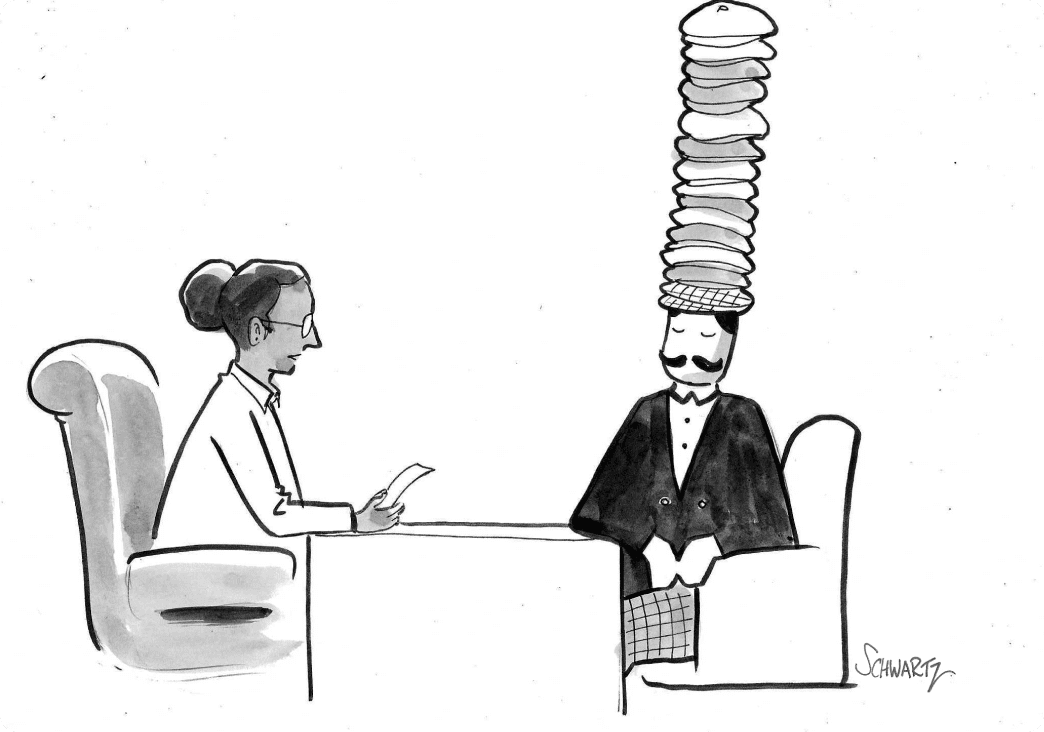
“You’ll need to wear a lot of hats in this role, too.”

To update your email notification settings, click here.

To stop receiving any marketing emails, unsubscribe here.

Want to manage your work on the go?

Download the monday.com mobile app.

Apple Google

© 2025 monday.com | 111 E 18th St NY, NY, 10003, USA

Comments

Popular posts from this blog

Make quick edits right in your PDF 📝

Strike the right chord with a PDF 🎵

Pitch perfect PDFs 💯