Managers are the #1 driver of employee engagement — one of the strongest indicators of business success. That's why leaders who constantly innovate new ways to engage their teams are the MVPs of their companies. Especially now.
According to Gallup, managers account for 70% of the variance in employee engagement, and when they get the formula right, their companies see 23% higher profits and 81% lower absenteeism. Unfortunately, in 2025, engagement has slipped to a 10-year low with only 31% of U.S. employees fully engaged, while 17% are actively disengaged.
Remember that employees have gone through a lot in the last five years, like shifting working environments, economic challenges, tech developments, and the whiplash of constant pivots. These factors have caused individual values and expectations to become more nuanced, which will likely impact your strategy as a people leader. Engaging your workers in 2025 is about deeply understanding their new and evolving mindsets and making it clear that they matter to the team, and their work matters to the company.
So, how can you connect with your employees and reinvigorate their engagement?
Focus on purpose
Engaging your team through a shared sense of purpose is powerful. 74% of Gen Z workers rank purpose as being more important than a paycheck, according to a survey by Monster.com, and 92% of millennials say purpose is important to their job satisfaction and well-being, per another study by Deloitte. With this in mind, make sure your team understands your company's purpose, and then take it a step further and develop a specific team purpose. Maybe that's delivering the metrics that inform better business decisions or using design to form deep human connections. As you socialize your team’s purpose, think about carving out time in your all-hands to discuss how your employees' work contributes to that mission. Reiterating how your team’s daily work directly impacts business goals can go a long way to solidify purpose for individual employees.
Key question: “What is your team's purpose and how does your employees' work connect to it?”
Invest in their learning
Pew Research Center found that 52% of employees worry about AI’s impact on their jobs, and they specifically fear being replaced. Since the landscape is constantly changing, your team members might feel unsure of how to upskill, which may cause anxiety, burnout, and disengagement. So, consider reducing these feelings by proactively offering learning opportunities. Perhaps you identify the technologies and soft skills your employees need to learn, and then provide the right online classes, certification programs, or mentorships. Through these efforts, you empower your employees with new skills and send a clear message that you want them on your team for the long haul.
Key question: “What learning opportunities can you create so your team feels confident growing their skills in emerging technologies?”
Clarity, clarity, clarity
Layoffs, reorgs, and strategic company transformations often mean employees constantly change responsibilities. And being unclear on role expectations is a major contributor to disengagement. That's why you must be extra diligent about defining (and redefining) roles, responsibilities, and KPIs as company strategies shift. Think about having your employees write their job own descriptions and agree on their roles and responsibilities together. Then, review that job description quarterly in their one-on-ones to note any changes. On top of that, make sure you define roles for each stakeholder and have them detailed in your project management software, when your team kicks off a new project. Lastly, when your company is going through changes, try to be as transparent as you can – even if you don’t have all the answers just yet. As much as possible, try to share updates from the leadership about successes and challenges, without waiting for things to be "final." Real-time, transparent communication helps employees feel secure, included, and motivated because they know they’re still contributing to the bigger picture.
Key question: “How can you clarify new company strategies and employee roles, responsibilities, and KPIs?”
Recognize contributions often
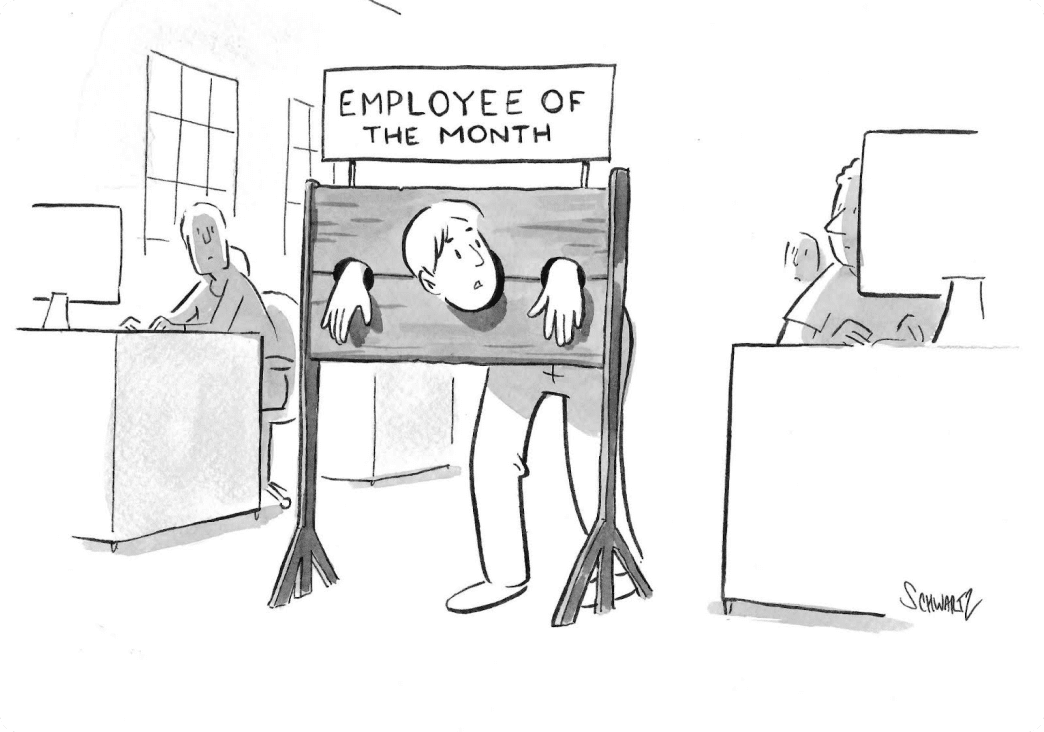
Recognition fuels engagement, so don't wait for annual reviews to acknowledge your employees' contributions. Instead, make appreciation part of your daily rhythm. It can be as small as recognizing an employee for making a good observation or thanking someone for running a well-organized meeting. Also, consider incorporating appreciation into your all-hands meetings by giving your employees the floor to shout out to their peers for their support or stellar work. Making your recognition regular and specific sends a clear message that your employees' work matters to the company.
Key question: “How can you show daily, weekly, and monthly appreciation for your team?”



Comments
Post a Comment